Top 10 Secrets You Didn't Know About Egyptian Pharaohs

Top 10 Secrets You Didn't Know About Egyptian Pharaohs
26 Apr 2026
Table of Content
1. Pharaohs were Rulers on Earth and Gods of the Realm
2. The Truth Behind the Royal Beards
4. Akhenaten's sole God Revolution
5. Makeup Was Mandatory—Even for Kings
6. Pharaohs Were Depicted Forever Young in Art, Regardless of Age or Appearance
7. The Title' Pharaoh' Appeared Later in History—Used Only After 1200 B.C
8. Only Pharaohs Were Allowed to Present Offerings to the Gods
9. Pharaohs Often Married Their Relatives to Preserve Royal Bloodlines
10. Khufu's Pyramid: A Monumental Legacy
Top 10 Secrets You Didn't Know About Egyptian Pharaohs
The pharaohs of ancient Egypt ruled not only with absolute power but with divine authority. They were considered god-kings, tasked with maintaining order in both the mortal and spiritual worlds. From eccentric beauty rituals to radical religious reforms, the lives of pharaohs were far more complex than golden thrones and pyramids suggest. Here are the Top 10 Facts About Egyptian Pharaohs that uncover the mysteries behind Egypt's most iconic rulers.
1. Pharaohs were Rulers on Earth and Gods of the Realm

Pharaohs held the highest positions in both the religious and political hierarchies. As the living embodiment of gods, they led ceremonies, built temples, and also governed laws, wars, and taxes. This dual role cemented their status as untouchable rulers, bridging the divine and earthly realms.
2. The Truth Behind the Royal Beards

One of the Top 10 Facts About Egyptian Pharaohs is that the iconic pharaonic beard wasn't natural—it was often a false beard worn even by female pharaohs, such as Queen Hatshepsut. These symbolic chin pieces, made of metal or braided fibers, represented divinity and were tied on with straps, highlighting the pharaoh's god-like persona.
3. Pharaohs were Horus in Human Form

Pharaohs were believed to be the earthly manifestation of Horus, the falcon-headed sky god. This belief reinforced the idea that the ruler was a living deity, entrusted with preserving ma'at (cosmic order) and protecting Egypt from chaos and foreign threats.
4. Akhenaten's sole God Revolution

Pharaoh Akhenaten challenged Egypt's belief in and worship of many gods traditions by promoting the sole worship of Aten, the sun disk. Among the most fascinating Egyptian Pharaoh's Secrets is how his radical religious revolution was short-lived, as temples to the old gods were rebuilt soon after his death, and traditional beliefs were restored.
5. Makeup Was Mandatory—Even for Kings

Both male and female pharaohs wore heavy makeup, especially black kohl around the eyes. Beyond beauty, it had functional uses—protecting against sun glare and infection. Cosmetics were considered sacred, offering protection from evil and honoring the gods.
6. Pharaohs Were Depicted Forever Young in Art, Regardless of Age or Appearance
.webp)
Despite aging or health issues, pharaohs were immortalized in statues and carvings as eternally youthful and fit. Artists followed strict styles that depicted them as divine beings, far removed from the realities of wrinkles or obesity.
7. The Title' Pharaoh' Appeared Later in History—Used Only After 1200 B.C.

The term "pharaoh" wasn't always used. Earlier rulers were referred to as “kings" or "lords." The title "pharaoh," meaning "great house," only became widely used around 1200 B.C. to refer to the ruler's palace, then eventually the ruler themselves.
8. Only Pharaohs Were Allowed to Present Offerings to the Gods

In temples across Egypt, only the pharaoh or his high priests were permitted to perform rituals and present offerings to the gods. One of the fascinating Egyptian Pharaoh's Secrets lies in this exclusive privilege, which emphasized their role as intermediaries between the divine and the people, preserving spiritual balance.
9. Pharaohs Often Married Their Relatives to Preserve Royal Bloodlines.

To preserve royal bloodlines, pharaohs often married their sisters or half-sisters. These unions were politically strategic, reinforcing their divine lineage and minimizing power struggles among competing families within the court.
10. Khufu's Pyramid: A Monumental Legacy

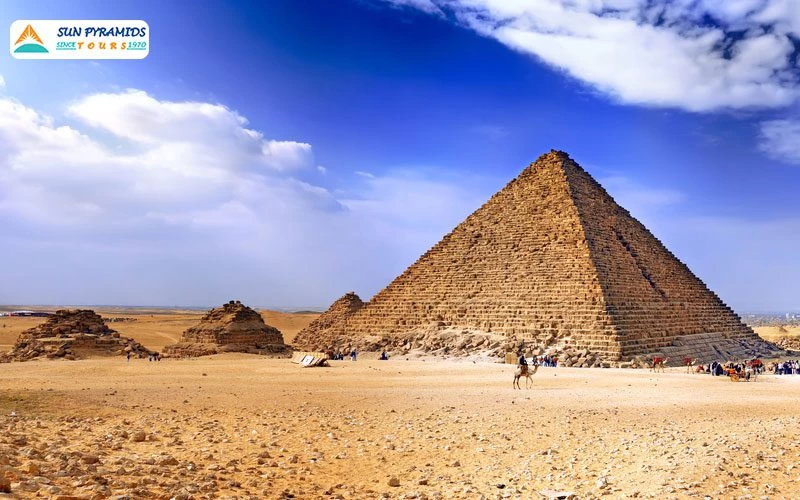
The Great Pyramid of Giza, built for Pharaoh Khufu, remains the largest pyramid ever constructed. Standing over 146 meters tall, it held the title of tallest man-made structure for over 3,800 years—a testament to the ambition and power of the ancient pharaohs.
Ready to witness this wonder up close? Join our expert Egyptologists on a journey through Giza, Memphis, Dahshur, and Saqqara to uncover the secrets of Egypt’s royal legacy.
👉 Explore the full itinerary here with Sun Pyramids Tours.
Ready to uncover more than just stories? Egypt’s timeless wonders await you—from majestic temples to hidden tombs, each holding secrets that go beyond the history books. With Sun Pyramids Tours, you’ll explore these ancient sites alongside expert Egyptologists and private tour leaders who bring every detail to life. Book your journey today and step into the world of the pharaohs—where every moment is a discovery.
Why do I book with Sun Pyramids Tours?
Egypt warmly welcomes visitors with its majestic Nile River, desert landscapes, and the fertile Delta, along with its remarkable and awe-inspiring landmarks. With our Egypt tour packages, you’ll have the chance to uncover the most mesmerizing wonders of the land of the Pharaohs, including the iconic Giza Pyramids, the Great Sphinx, Abu Simbel, the Karnak temples, and so much more. The Nile River is also the perfect setting for one of our Nile cruises, where you can sail through history, admiring the magnificent monuments between Luxor and Aswan. The opportunity is right here for you—don’t miss out, book with us today!
.DvizhAGb.gif)
Plan your next adventure now
Related Tours
Cairo 3 Days Tours Pyramids, Coptic Cairo & T...
Cairo 3 Days Tours Pyramids, Coptic Cair...
Start From
$186.00
3 Days
.webp)

.webp)
Grand Egyptian Museum Wonders & Cairo Snow Ad...
Grand Egyptian Museum Wonders & Cairo Sn...
Start From
$104.00
8 Hours
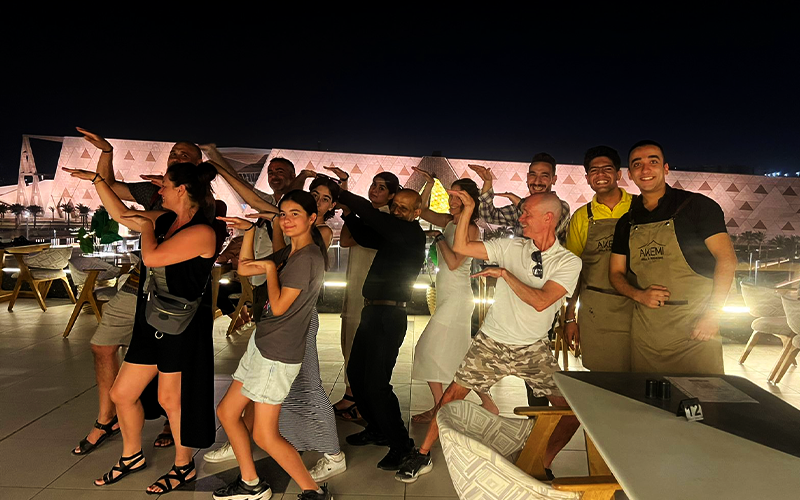
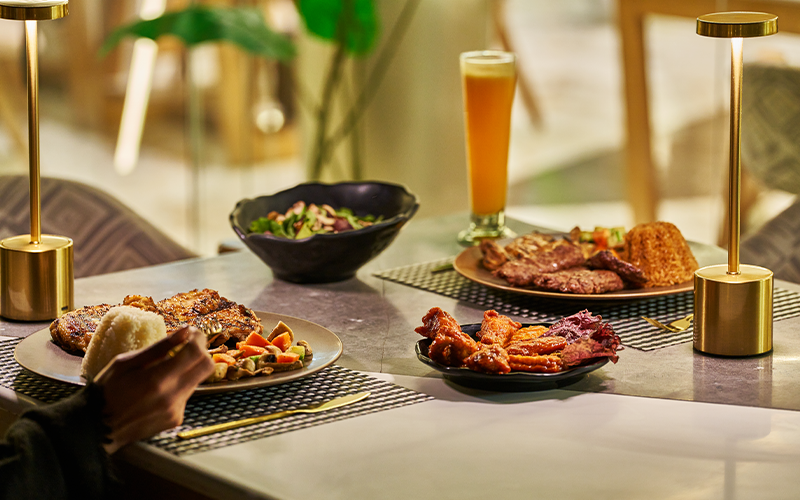
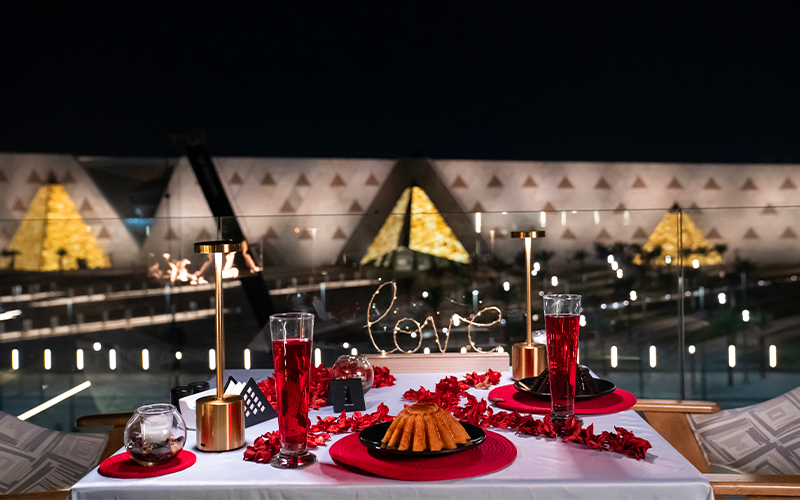
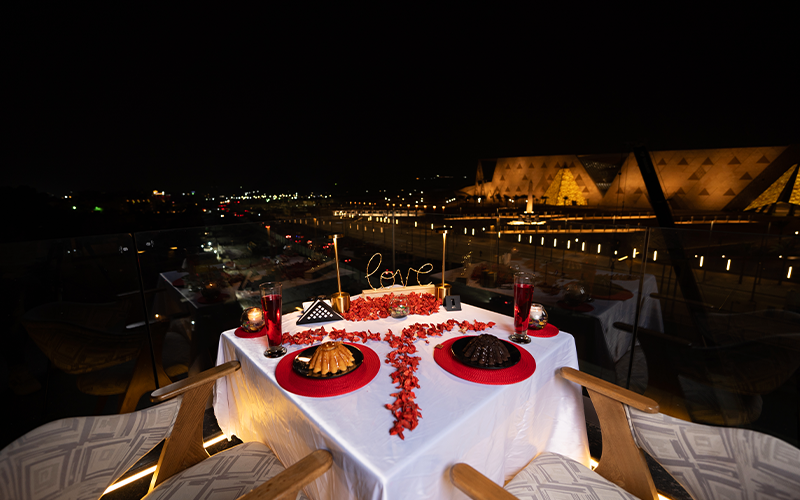
Cairo: Dinner with Grand Egyptian Museum & Py...
Cairo: Dinner with Grand Egyptian Museum...
Start From
$43.00
4 Hours
.jpg)
.webp)
.webp)
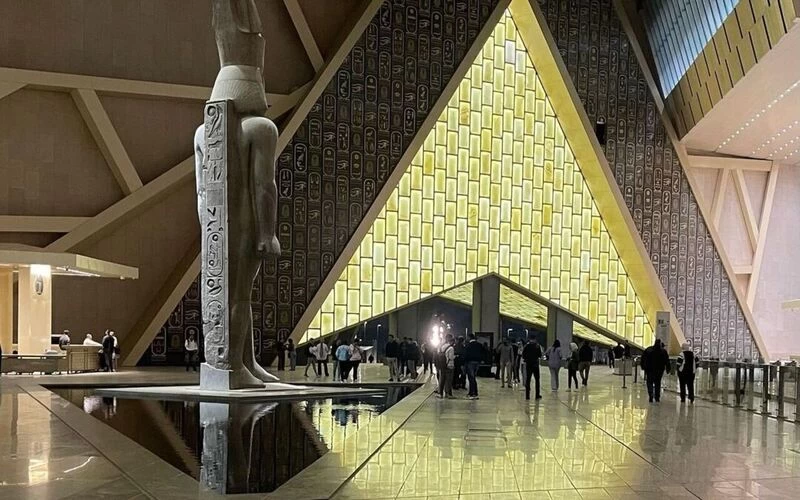
Giza Pyramids & Grand Egyptian Museum Private...
Giza Pyramids & Grand Egyptian Museum Pr...
Start From
$119.00
6 hours
.webp)
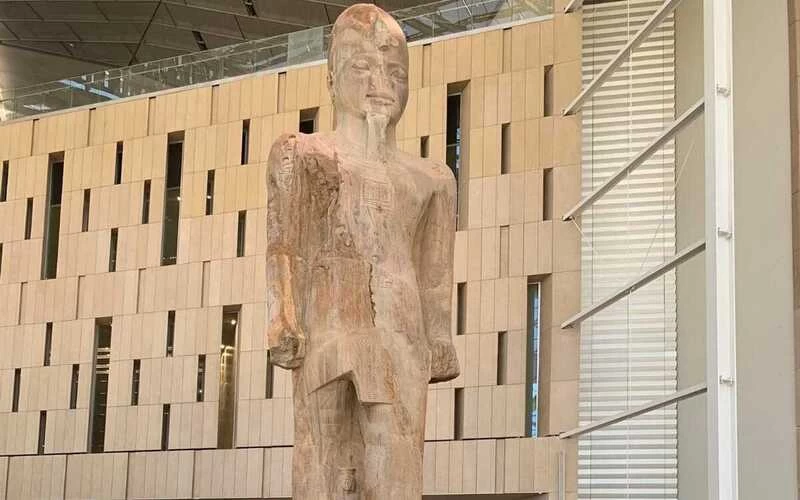
From Port Said : Giza Pyramids & the Grand Eg...
From Port Said : Giza Pyramids & the Gra...
Start From
$163.00
10 Hours
Frequently Asked Questions
See more

There are no frequently asked questions :)
Related Blogs
Plan A Trip to Egypt
+1 more
Ultimate Guide: How To Plan A Trip To Egypt
Christmas and New Year in Egypt
+1 more
Christmas and New Year in Egypt

Egypt Hidden Gems
+1 more
Egypt Hidden Gems

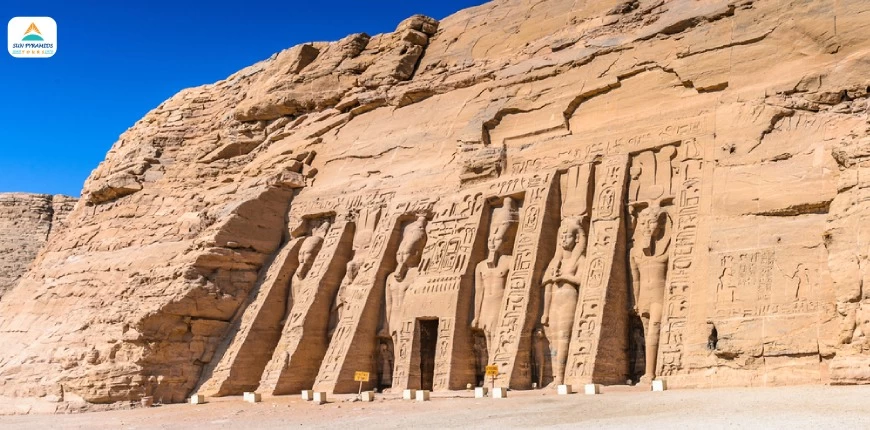
Abu Simbel Temple
+1 more
Abu Simbel Temple
Need help to Finding your Trip?

Offers

Make Trip

trips

Home