

Guardians of Thebes: The Colossi of Memnon’s Myth and Facts
Guardians of Thebes: The Colossi of Memnon’s Myth and Facts
10 Feb 2026
Table of Content
A Closer Look to Colossi of Memnon
Damage and Restoration: Preserving the Colossi's Legacy
The Origin of the word Memnon
The Enigmatic Sounds of the Vocal Memnon
Discover the Colossi of Memnon with Sun Pyramids Tours
Why do I book with Sun Pyramids Tours
Guardians of Thebes: The Colossi of Memnon’s Myth and Facts
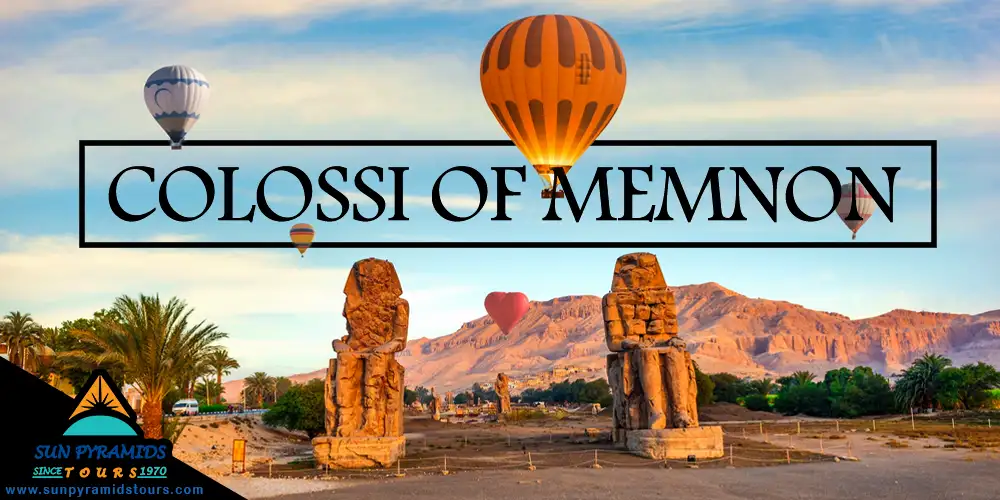
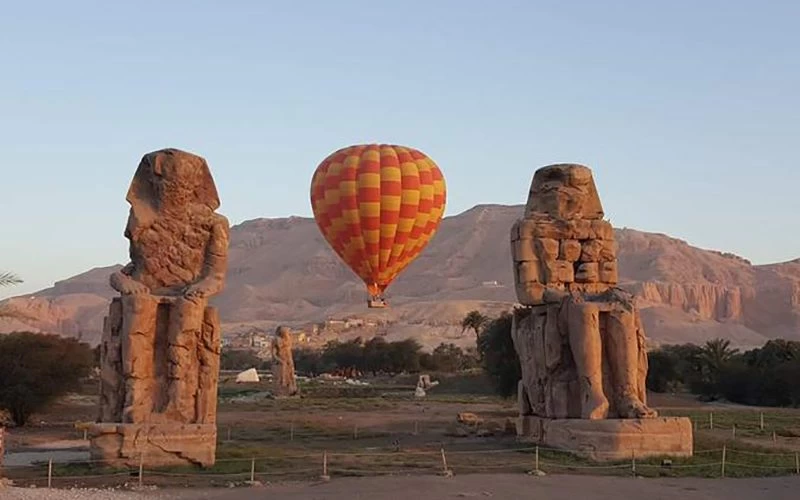
The Colossi of Memnon, Pharaoh Amenhotep III's towering stone, stands as timeless guardians of his ruined Mortuary Temple, the largest temple in the Theban Necropolis. Erected around 1350 BC, these iconic statues have captivated the imaginations of ancient Greeks, Romans, early explorers, and modern Egyptologists alike.
The northern statue is adorned with 107 Roman-era inscriptions in Greek and Latin, dated between AD 20 and 250. These inscriptions spark curiosity about who is Memnon. They link the statue to the mythological King Memnon, a case of mistaken identity that adds layers of myth and history to this enduring wonder.
A Closer Look to Colossi of Memnon

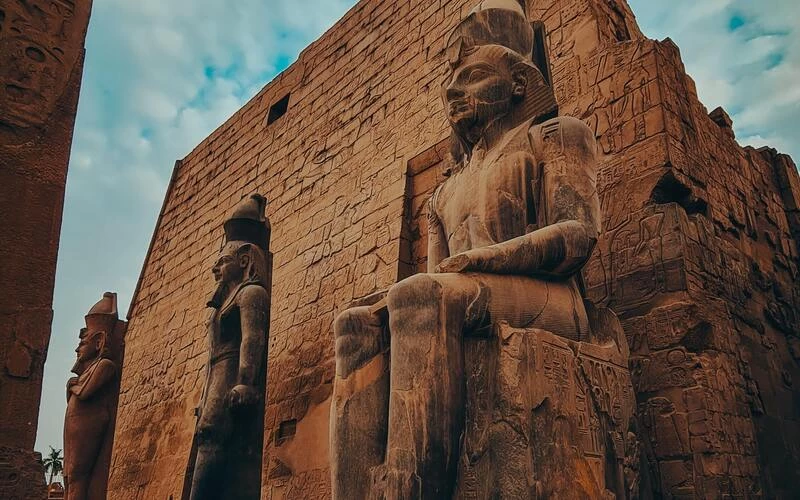
The twin statues, showcasing The Design and Structure of the Colossi , depict Amenhotep III seated with hands on his knees, gazing eastward toward the river. And there are smaller figures: his wife, Tiye, his mother, Mutemwiya, and between his ankles, an unidentified daughter, all carved on the throne's front alongside his legs.
The Colossi of Memnon, towering at 18 meters (60 feet) including their platforms, were crafted from quartzite sandstone quarried near modern-day Cairo and transported 675 km to Thebes. Weighing 720 tons each and standing 15 meters apart, their immense size made them visible from over 10 miles away.
Damage and Restoration: Preserving the Colossi's Legacy

Both statues have suffered significant damage, particularly above the waist, where features are almost unrecognizable. The southern statue is carved from a single stone, while the northern figure has five layers of stone above the waist that have been made of a different sandstone as a result of later reconstruction. It is believed the statues were originally identical, though inscriptions and minor details may have differed.
An earthquake around 1200 BC destroyed the temple, leaving only the colossi at the entrance standing. Further destruction occurred during an earthquake in 27 BC, prompting partial restoration by Roman authorities. These events highlight the Damage and Restoration Efforts that shaped its current form.
The Origin of the word Memnon
.webp)
The modern Arabic name is Kom el-Hatan, but the Roman name, the Temple of Memnon, is widely recognized. The origin of Colossi of Memnon's name ties to Memnon, a Trojan War hero who led African armies to aid Troy and was slain by Achilles. Seen as the "Ruler of the West," his name aligned with Osiris, the god of the West, symbolizing Theban Necropolis's association with the afterlife.
The Enigmatic Sounds of the Vocal Memnon

Following the damage of the 27 BCE earthquake, the statue gained fame for producing mysterious "singing" sounds, often described as whistling or breaking a lyre string, now referred to as the Sounds of Colossi of Memnon . Ancient figures like Strabo, Pausanias, and Pliny reported these sounds at dawn, with inscriptions from Roman-era tourists confirming the phenomenon. This "Vocal Memnon" symbolized oracular powers, attracting visitors, including Roman emperors. Later, in 199 CE, Emperor Septimius Severus reconstructed the statue, silencing the sounds.
Discover the Colossi of Memnon with Sun Pyramids Tours

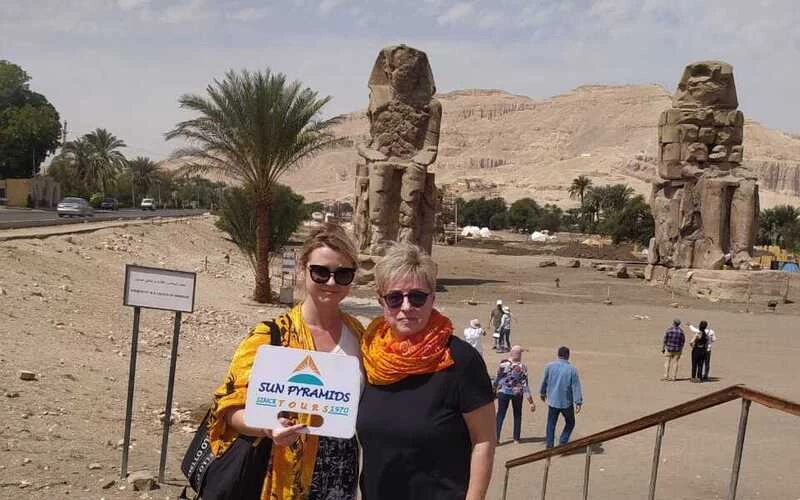
Discover the Colossi of Memnon with Sun Pyramids Tours and immerse yourself in ancient Egypt's legends, history, and artistry. Our expert-guided tours ensure a seamless and enriching experience, taking you to these iconic statues and the fascinating attractions around them. Let us handle every detail, from comfortable transportation to insightful commentary, so you can focus on creating memories.
Why do I book with Sun Pyramids Tours?
Egypt warmly welcomes visitors with its majestic Nile River, desert landscapes, and the fertile Delta, along with its remarkable and awe-inspiring landmarks. With our Egypt tour packages, you’ll have the chance to uncover the most mesmerizing wonders of the land of the Pharaohs, including the iconic Giza Pyramids, the Great Sphinx, Abu Simbel, the Karnak temples, and so much more. The Nile River is also the perfect setting for one of our Nile cruises, where you can sail through history, admiring the magnificent monuments between Luxor and Aswan. The opportunity is right here for you—don’t miss out, book with us today!
.DvizhAGb.gif)
Plan your next adventure now
Related Tours
.jpg)
.jpg)
.jpg)
.jpg)
.jpg)
.jpg)
4 Day Tours Cairo and Luxor by Flight
4 Day Tours Cairo and Luxor by Flight
Start From
$681.00
4 Days

.webp)
5-Day Nile Cruise on The Royal Beau Rivage: E...
5-Day Nile Cruise on The Royal Beau Riva...
Start From
$1654.00
5 Days
4-Day Nile Cruise on Movenpick Royal Lily: Ea...
4-Day Nile Cruise on Movenpick Royal Lil...
Start From
$2045.00
3 Nights/4 Days
5-Day Nile Cruise on Mövenpick Royal Lily: Ea...
5-Day Nile Cruise on Mövenpick Royal Lil...
Start From
$2659.00
4 Nights/5 Days


12-Day of Pyramids, Luxor, Aswan & Hurghada: ...
12-Day of Pyramids, Luxor, Aswan & Hurgh...
Start From
$2040.00
12 Days / 11 Nights
4-Day Nile Cruise on the Royal Beau Rivage: E...
4-Day Nile Cruise on the Royal Beau Riva...
Start From
$1292.00
4 Days

Package 5 days 4 nights Movenpick MS Sunray C...
Package 5 days 4 nights Movenpick MS Sun...
Start From
$1925.00
5 Days
Package 4 Days 3 Nights Movenpick MS Sunray C...
Package 4 Days 3 Nights Movenpick MS Sun...
Start From
$1490.00
4 Days
Package 4 days 3 nights Movenpick MS Hamees C...
Package 4 days 3 nights Movenpick MS Ham...
Start From
$1415.00
4 Days

Package 5 days 4 nights Movenpick MS Hamees C...
Package 5 days 4 nights Movenpick MS Ham...
Start From
$1825.00
5 Days
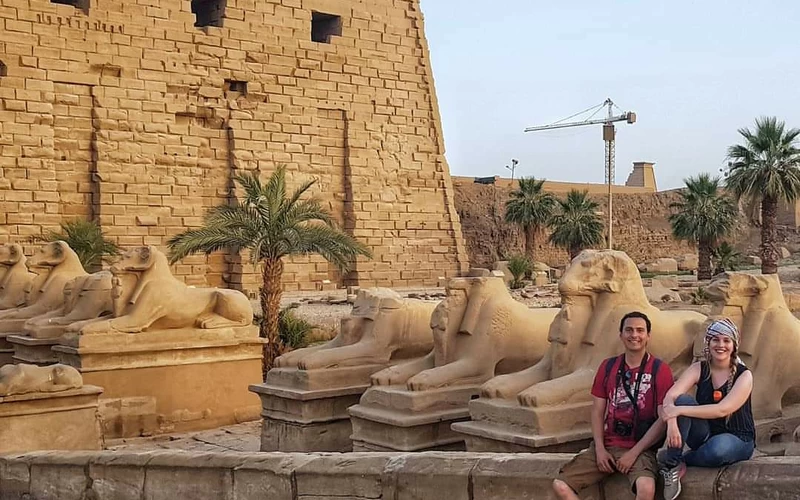
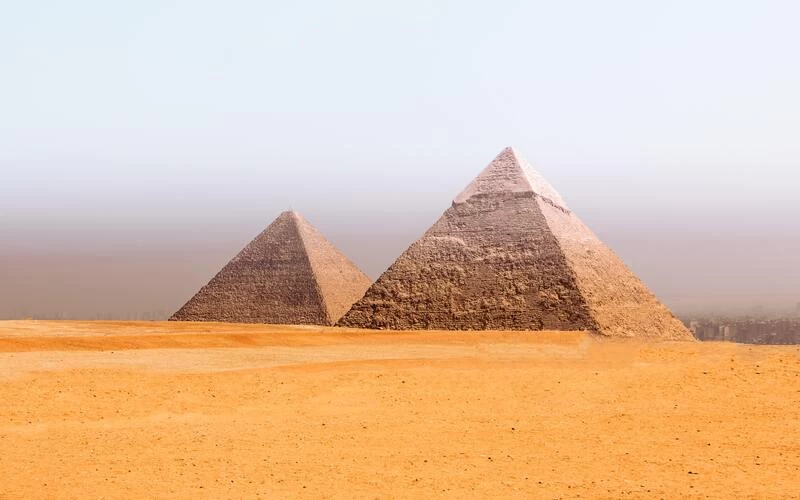
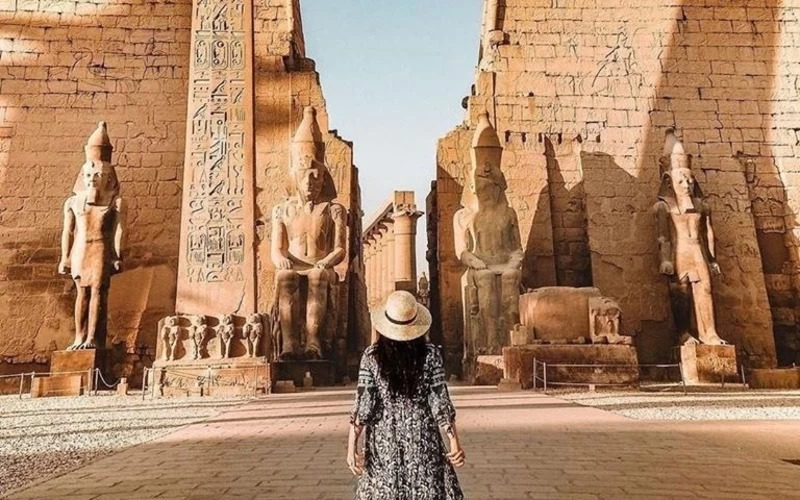
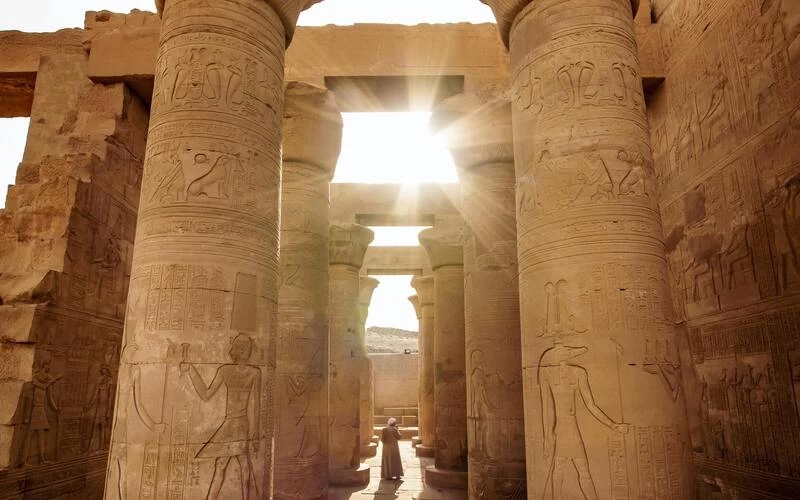
Package 8 Days 7 Nights To Luxury Egypt, Luxo...
Package 8 Days 7 Nights To Luxury Egypt,...
Start From
$2120.00
8 Days / 7 Nights
4 Nights at Nile Crown Cruise from Luxor
4 Nights at Nile Crown Cruise from Luxor
Start From
$505.00
5 days
Frequently Asked Questions
See more

There are no frequently asked questions :)
Related Blogs
Plan A Trip to Egypt
+1 more
Ultimate Guide: How To Plan A Trip To Egypt
Christmas and New Year in Egypt
+1 more
Christmas and New Year in Egypt

Egypt Hidden Gems
+1 more
Egypt Hidden Gems

Abu Simbel Temple
+1 more
Abu Simbel Temple
Need help to Finding your Trip?

Offers

Make Trip

trips

Home